Delve Into the Domain of Fair Trade Tea: Outstanding Brews That Enable Sustainable Practices
Fair Trade tea exemplifies a harmonious fusion of merit and values. Each cup yields a unique flavor profile while fostering ethical agricultural methods. This approach not only betters the tea experience but also lifts marginalized farmers. Recognizing its heritage and accreditation systems brings to light deeper layers of importance. As consumers become more thoughtful about their options, the consequence of Fair Trade tea goes beyond taste. What underlies the surface of these determinations?
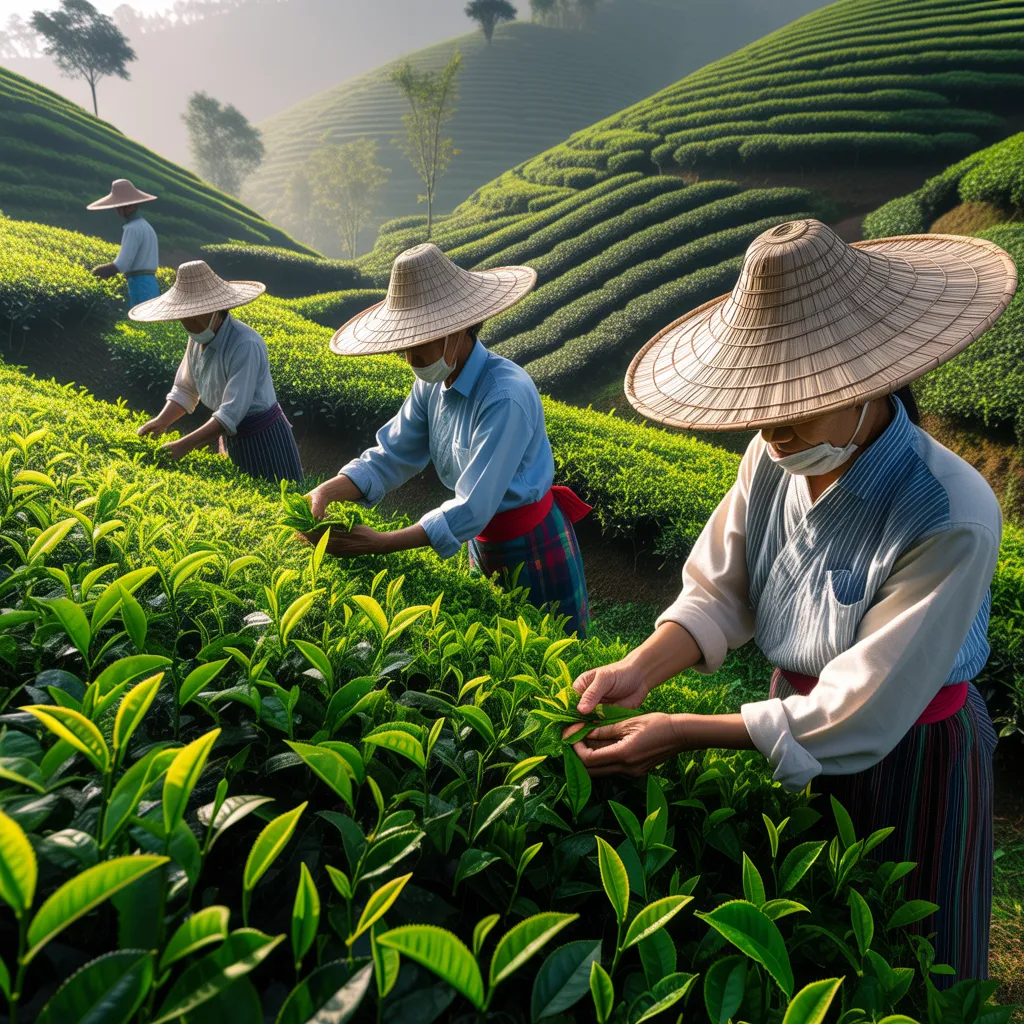
Discover the Roots of Fair Trade Tea
Fair Trade tea comes from the socioeconomic campaigns intended to better the livelihoods of marginalized farmers. Starting in the latter part of the 1900s, this endeavor worked to address inequities in global trade, particularly in developing countries where tea is commonly produced. The movement picked up steam as consumers became ever more aware of the difficult circumstances experienced by modest-sized growers, such as unfair pricing and exploitation by major enterprises.
Through collaborative frameworks, Fair Trade sought to strengthen these farmers, ensuring they received fair compensation and support for sustainable farming practices. The movement also concentrated on promoting environmental responsibility, promoting organic farming and biodiversity. As awareness grew, Fair Trade tea functioned as a representation of ethical consumption, linking consumers directly with the origins of their beverages. By selecting Fair Trade tea, individuals contribute to a larger vision of social justice and economic equity, building a more sustainable future for tea-growing communities.
Grasp the basics of responsible sourcing for sustainable methods
Comprehending Fair Trade certification is essential to recognizing how sustainable practices are upheld within the tea industry. This certification guarantees that producers receive fair wages and work under safe conditions, which directly contributes to community development. Fair Trade standards encourage environmentally sustainable farming methods, reducing the use of harmful chemicals and encouraging biodiversity.
Certification also promotes clarity in the distribution network, enabling consumers to track their tea back to its source. By following these guidelines, farms engage in practices that protect environmental assets and support local ecosystems. Additionally, Fair Trade groups often offer learning materials and instruction to agricultural producers, enabling them to improve their farming techniques and financial security.
Ultimately, Fair Trade certification not only boosts tea's excellence but also corresponds with consumer decisions to principled and responsible values, making it a key aspect of the tea sector's dedication to community responsibility and environmental care.
Discover Top Range of Fair Trade Tea
While many tea connoisseurs treasure the intense notes and scents of assorted teas, uncovering the top varieties of Fair Trade tea unveils a deeper pledge to moral sourcing and green practices. Some trendy options feature Fair Trade Assam, praised for its bold, malty taste, and Fair Trade Darjeeling, often termed the "Champagne of teas" for its delicate floral notes. Another standout variety is Fair Trade Earl Grey, infused with bergamot, offering a unique citrus twist.
Furthermore, Fair Trade Green Tea, renowned for its energizing qualities and health benefits, is increasingly preferred among health-conscious consumers. Herbal blends, such as Fair Trade Chamomile and Peppermint, also excel, providing soothing and calming effects. Each of these varieties not only thorough guide delivers exceptional flavor but also supports farmers and communities working for better livelihoods, making them a responsible choice for tea lovers seeking quality and ethical assurance.
Brewing Fair Trade Tea: Tips for a Perfect Cup
To prepare the ideal cup of Fair Trade tea, careful attention is important, as the correct techniques can improve the tea's unique flavors and scents. First, the water quality is fundamental; using purified water guarantees a fresh flavor that allows the tea's qualities to be highlighted. The water temperature is also essential; distinct teas require particular heat levels; black tea requires boiling water and green and herbal teas are brewed cooler.
Following this, the soaking duration needs to be strictly observed. Excessive steeping can generate bitterness, while inadequate steeping may not obtain the full flavor profile. A general guideline is 3-5 minutes for black tea and 2-3 minutes for green tea.
In conclusion, getting the ideal tea-water proportion optimizes the flavor; one teaspoon of loose tea per cup is a fine starting point. By following these tips, tea enthusiasts can fully appreciate the diverse range of Fair Trade tea.
Ecological Effects of Responsible Tea
Brewing Fair Trade tea not only improves the tea experience but also promotes sustainable agricultural practices that advantage the environment. Fair Trade certification encourages farmers to use organic farming methods, which reduce the dependence on damaging chemicals and synthetic inputs. This method fosters biodiversity, helping to preserve local ecosystems and safeguard wildlife habitats.
Additionally, Fair Trade methods often highlight soil health and water conservation, ensuring that tea cultivation does not drain essential resources. By assisting small-scale farmers, Fair Trade also encourages agroforestry, which combines tea cultivation with other crops and trees, further bolstering environmental resilience.
Additionally, Fair Trade tea often contains eco-conscious packaging and delivery systems, lowering the greenhouse gas emissions tied to its distribution. In summary, choosing Fair Trade tea represents a deliberate commitment to foster a increasingly eco-friendly agricultural system that honors both the Earth and its inhabitants.

Your Tea Preference Supports Empower Global Populations
Opting for Fair Trade tea supports communities around the world by ensuring cultivators receive just compensation and better labor environments. This pledge confirms that tea producers can protect their sources of income while contributing to their households and regional markets. By choosing Fair Trade tea, consumers help fund crucial community services, including education and healthcare.
Fair Trade accreditation encourages responsible conduct, requiring businesses to follow guidelines that prioritize workers' rights and environmental sustainability. As a consequence, growers are incentivized to cultivate high-quality tea, which not just improves their income but also fosters pride in their craft.
Additionally, the direct trade relationships established through Fair Trade eliminate predatory middlemen, allowing farmers to engage with buyers worldwide. This transparency fosters trust and encourages a global appreciation for the cultural significance of tea. Ultimately, each cup of Fair Trade tea functions as a testament of the constructive influence individuals can have on global communities through mindful consumption.
Common Inquiries Asked
What Strategies Should I Use to Identify Fair Trade Tea Goods On Sale in Stores?
To recognize fair trade tea products in stores, one should seek out certified marks, such as Fair Trade Certified or Rainforest Alliance. Additionally, investigating companies committed to ethical sourcing can aid in making informed choices.
Can You Find Any Wellness Perks Related to Fair Trade Tea?
Fair trade tea may offer assorted health gains, with antioxidants enhancing heart health, improved digestive function, and heightened mental acuity. Besides, conscientious sourcing practices reinforce sustainable farming methods, ultimately supporting a stronger ecosystem and enhanced community health.
Where Can I Locate Fair Trade Tea in Digital Shopping Platforms?
Yes, fair trade tea is easy to find in digital platforms. Multiple vendors stock a diverse range of product options, making certain buyers can quickly locate ethically sourced options that advance both sustainability and equitable compensation.
What Role Does Fair Trade Tea Have in Regional Economic Growth?
Fair trade tea beneficially affects local economies by offering farmers equitable compensation, supporting community growth, and encouraging sustainable farming practices. This assistance improves living standards, strengthens financial security, and empowers communities to allocate resources toward education and healthcare.
How Can I Store Fair Trade Tea to Achieve Superior Freshness?
To increase quality, fair trade tea should be stored in an airtight container, shielded from strong odors, humidity, and light. Maintaining it in a cool, dark place helps maintain its scent and taste over time.